My recent trip to the Balkans was very unplanned. I had only marked a few rough points on the map without any expectations, but with the desire to experience a part of Europe where I had never been before. The first of these points was Sarajevo, the capital of Bosnia and Herzegovina. But why Sarajevo?
I have a few core memories from my youth that are connected to this city. First, there was the band Franz Ferdinand. When I discovered this band, I wondered why a Britpop band from Scotland would name themselves after an heir to the Austrian throne. As I learned at the time, he was assassinated in Sarajevo, which triggered the First World War. That was also the first time I heard about this city, which lay far in the east of a fallen empire.
Sometime later, I found a documentary on YouTube. It was a brutal eyewitness account of the Yugoslav Wars. Sarajevo played a central role here too, as the city was under siege for a long time. There was so much to learn about a conflict that directly and indirectly affected so many people in Germany and Europe, but we learned virtually nothing about it at school.
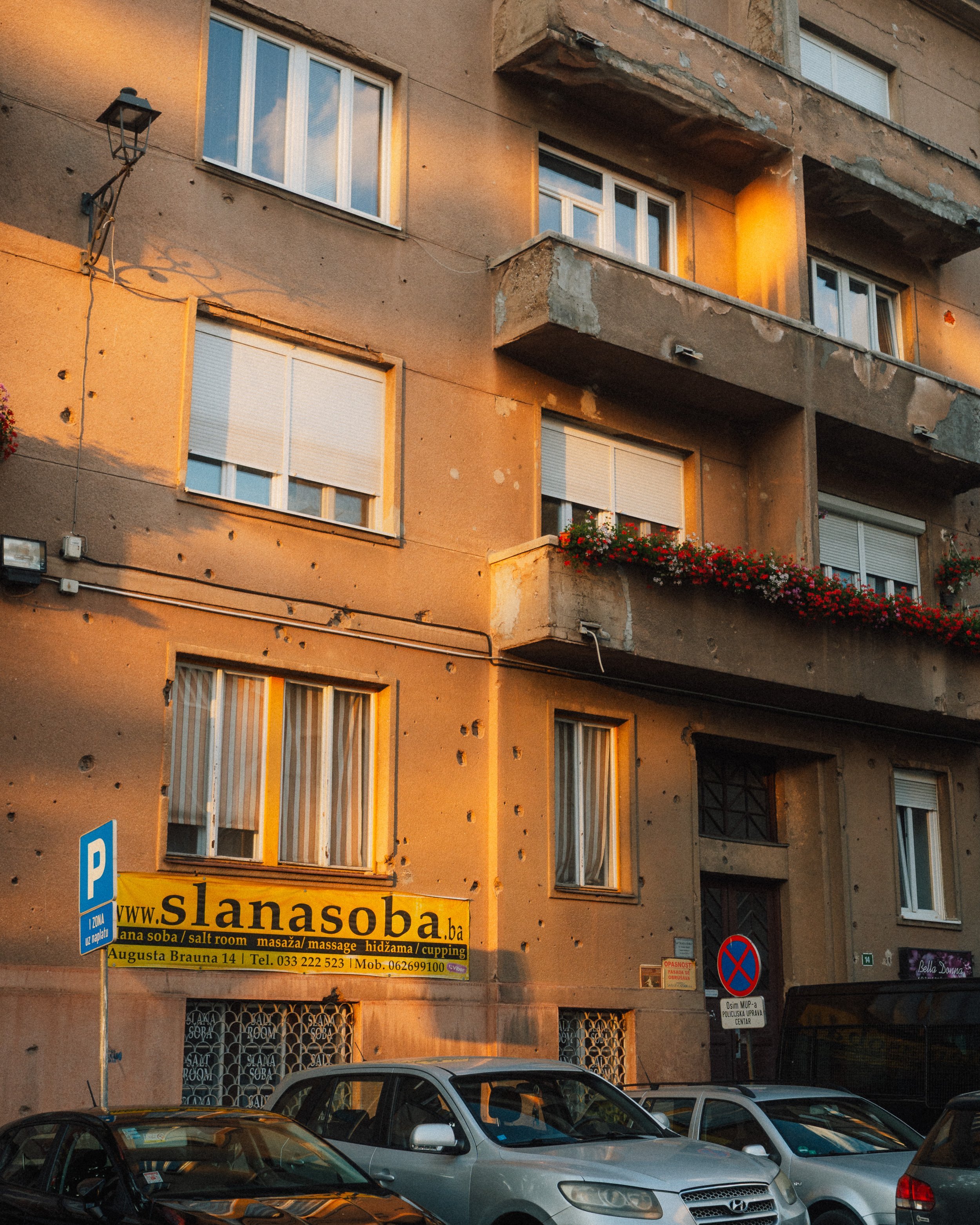
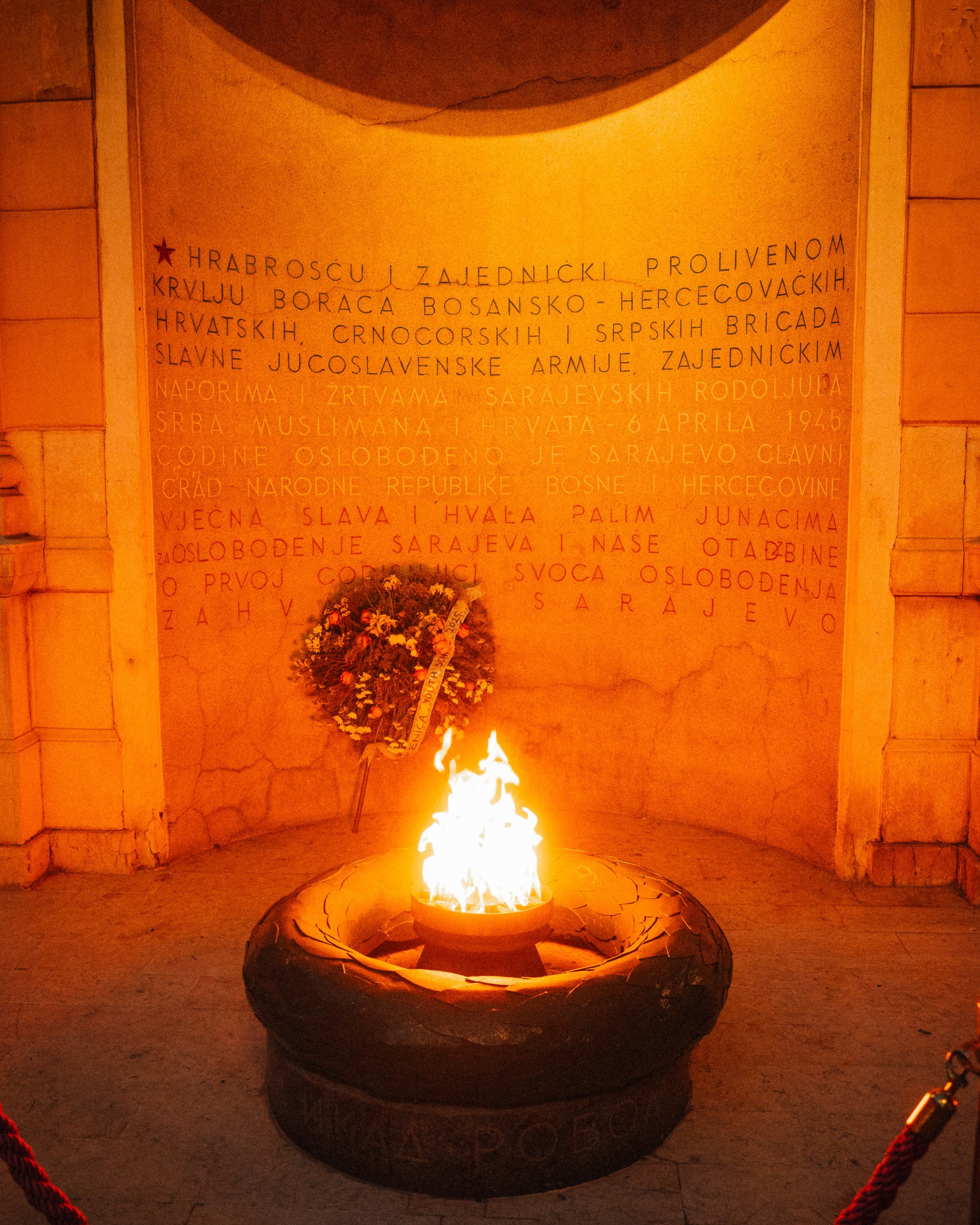
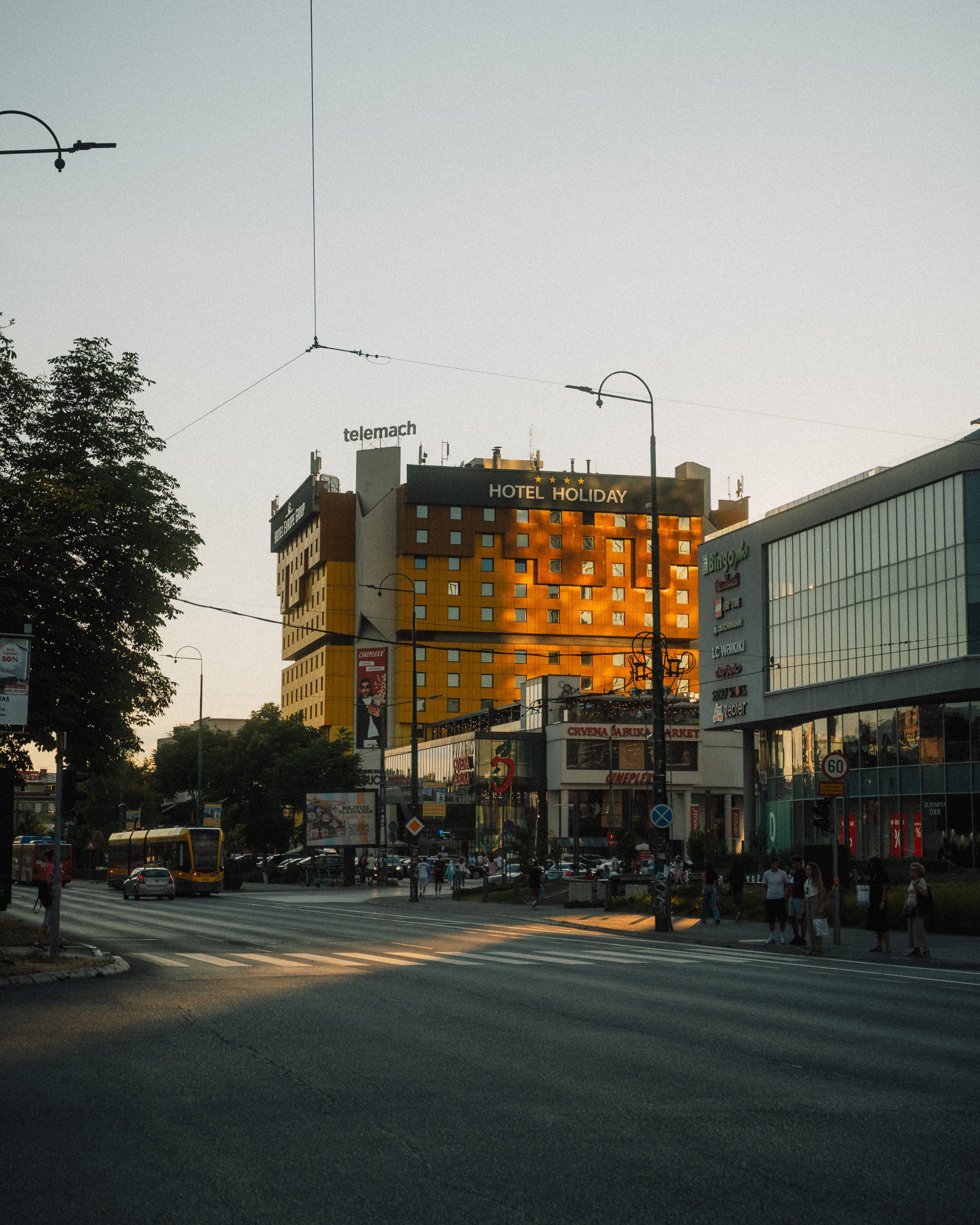
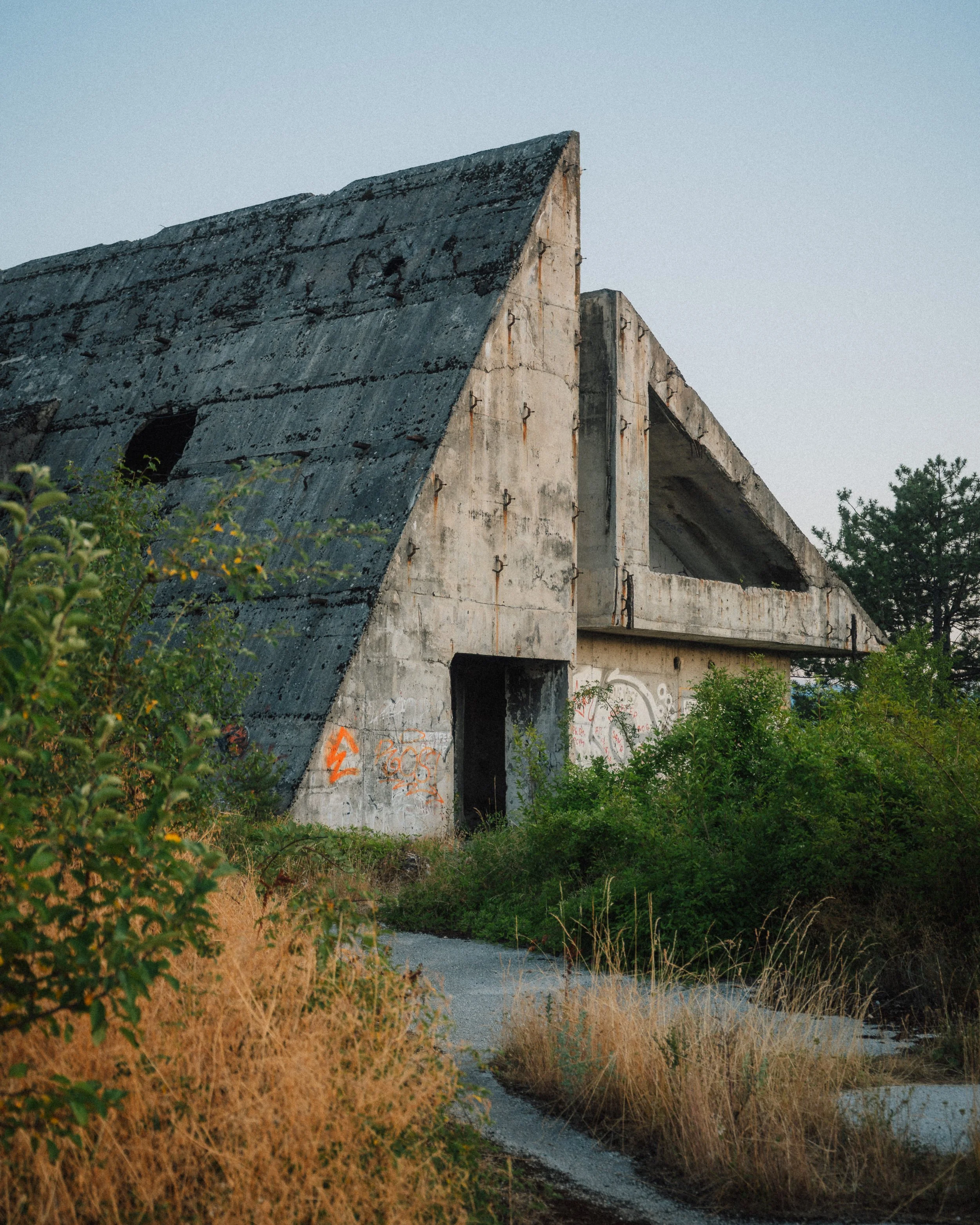
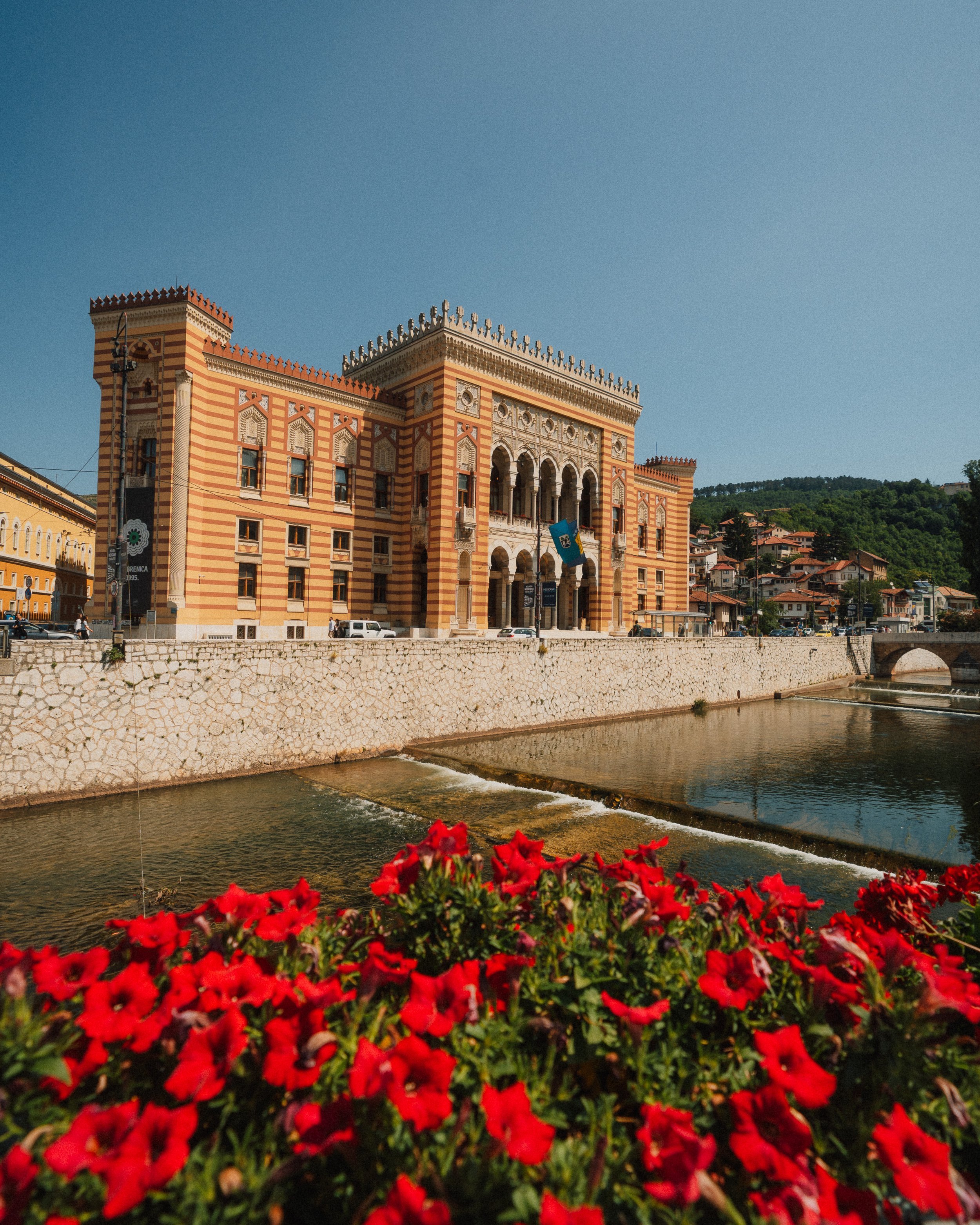
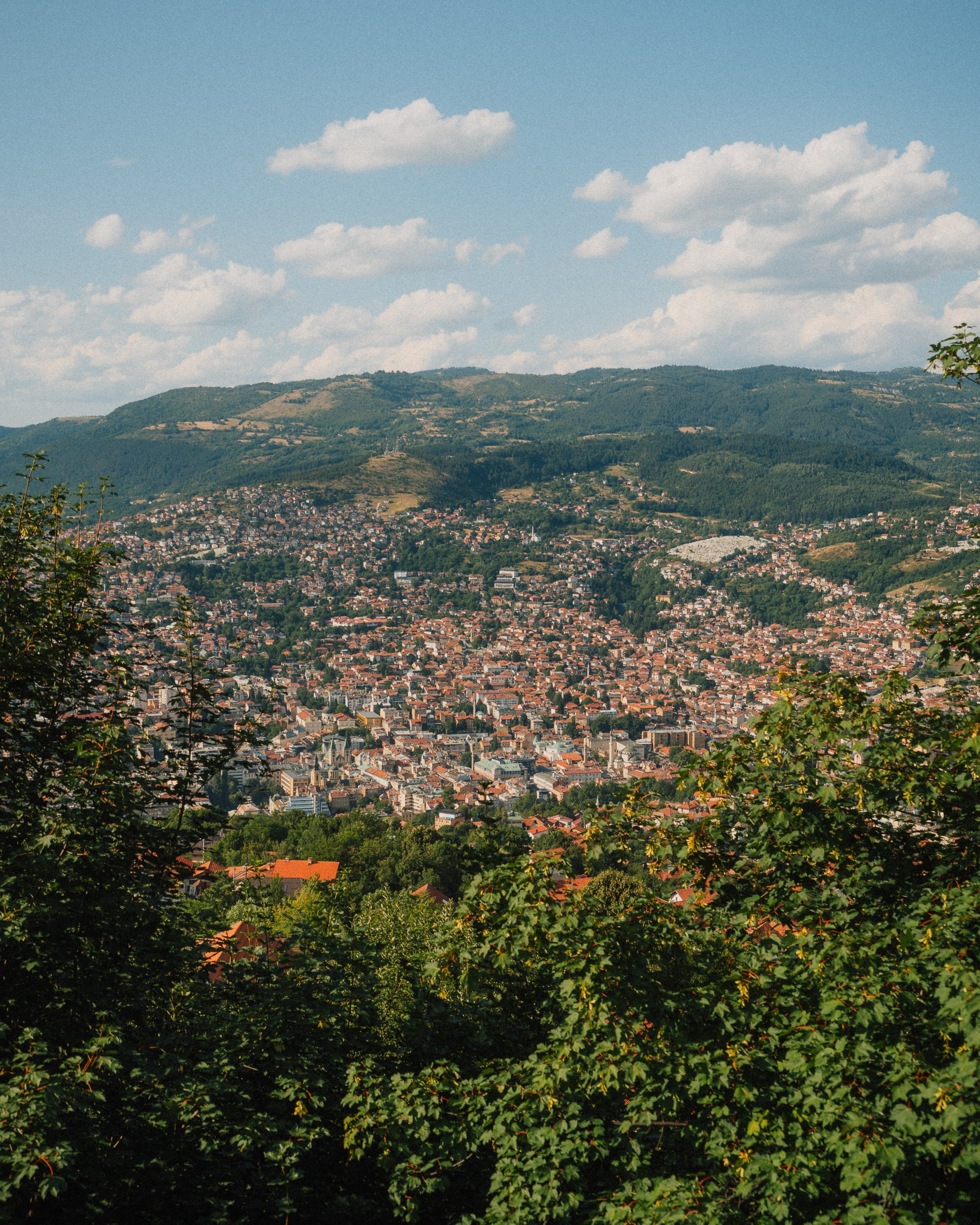
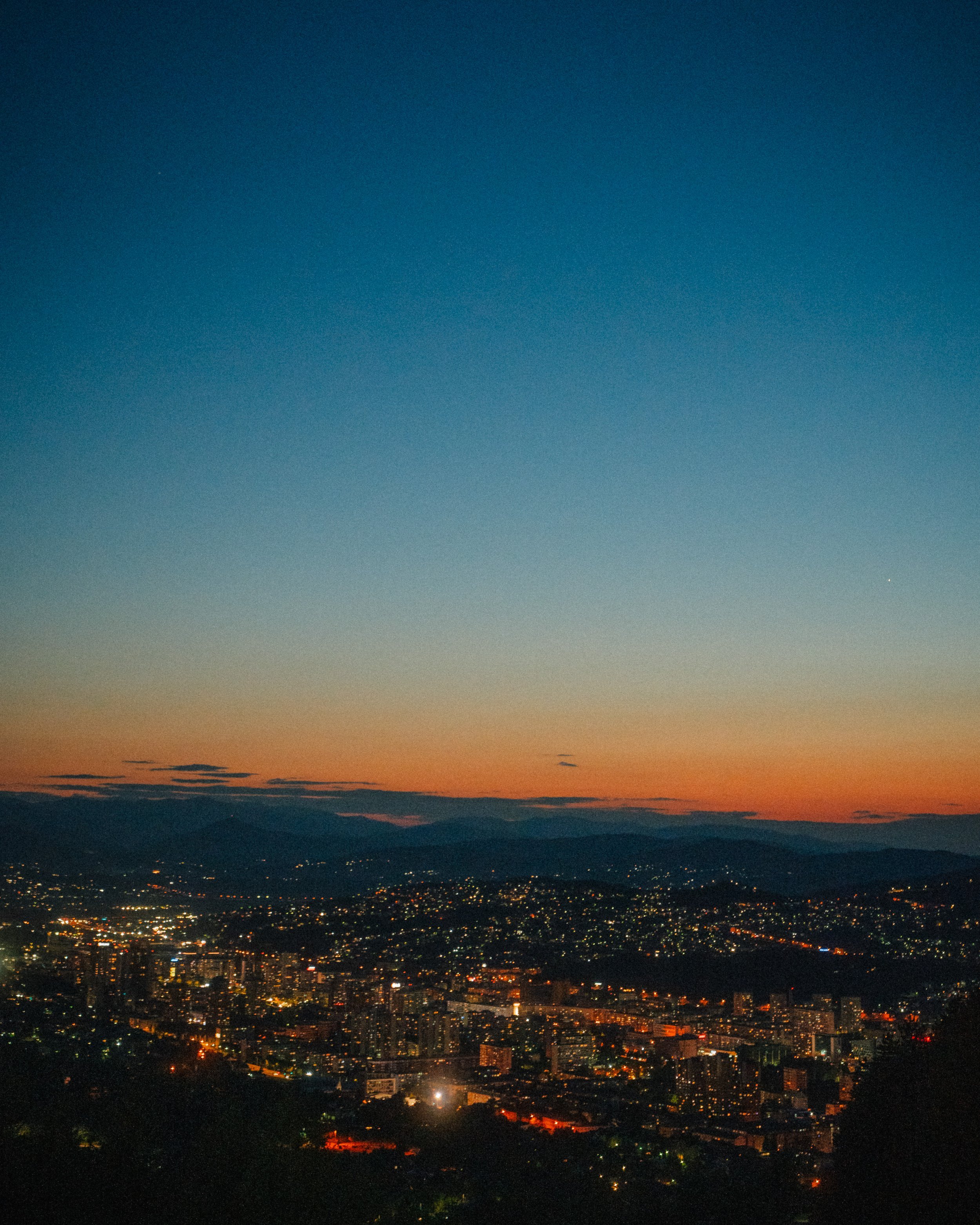
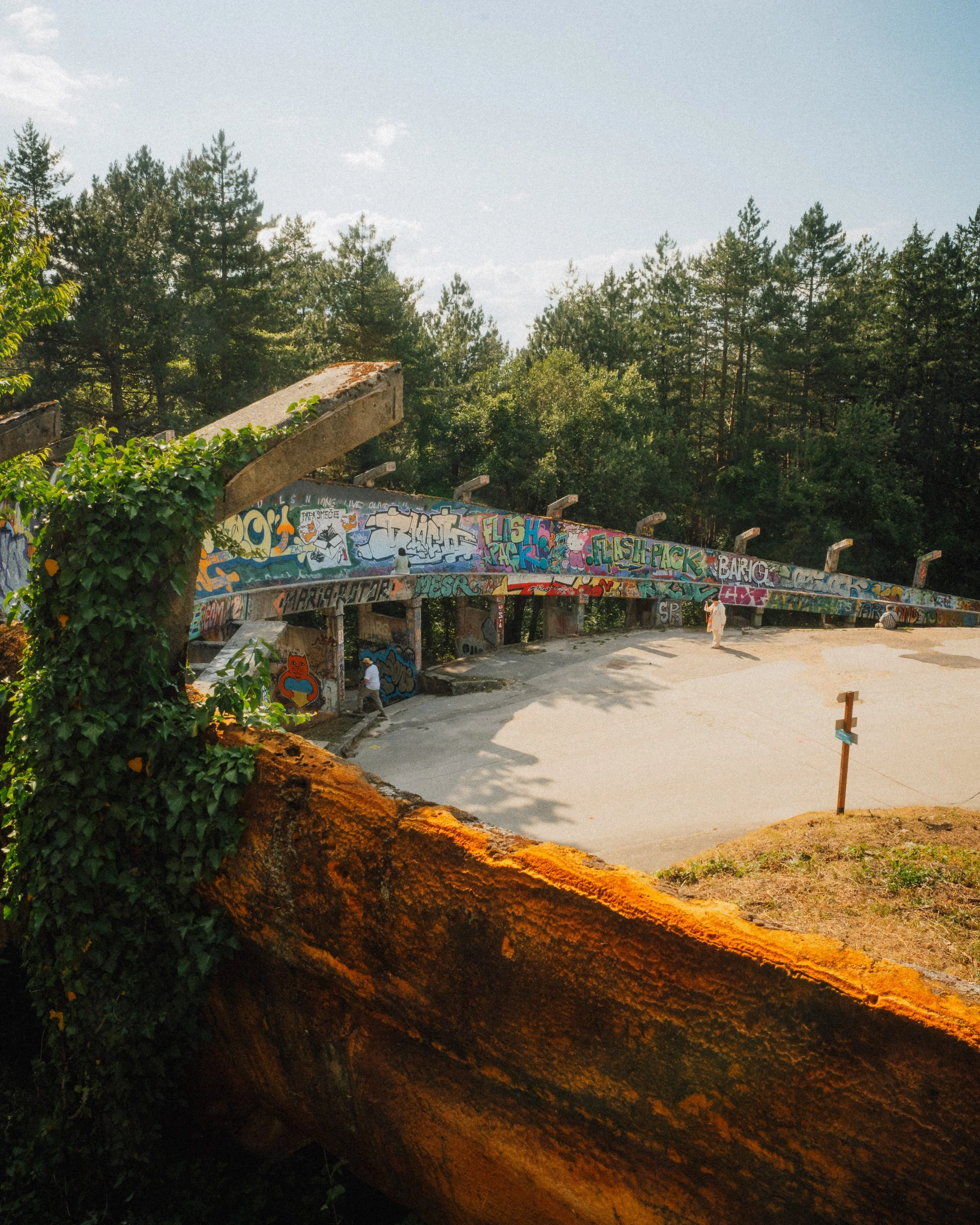
Even though neither of these things have positive associations with this city, I simply had to visit it while I was in the area. What I experienced was a city that is partly reminiscent of imperialism consumed by arrogance. But also of more modern times, with typical Eastern Bloc buildings in the brutalist style. You can still experience these and other eras in Sarajevo today by taking a walk through the city within a few kilometers, almost like in a theme park. And everywhere you look, you see the traces of the siege, reminding you how fragile peace is.
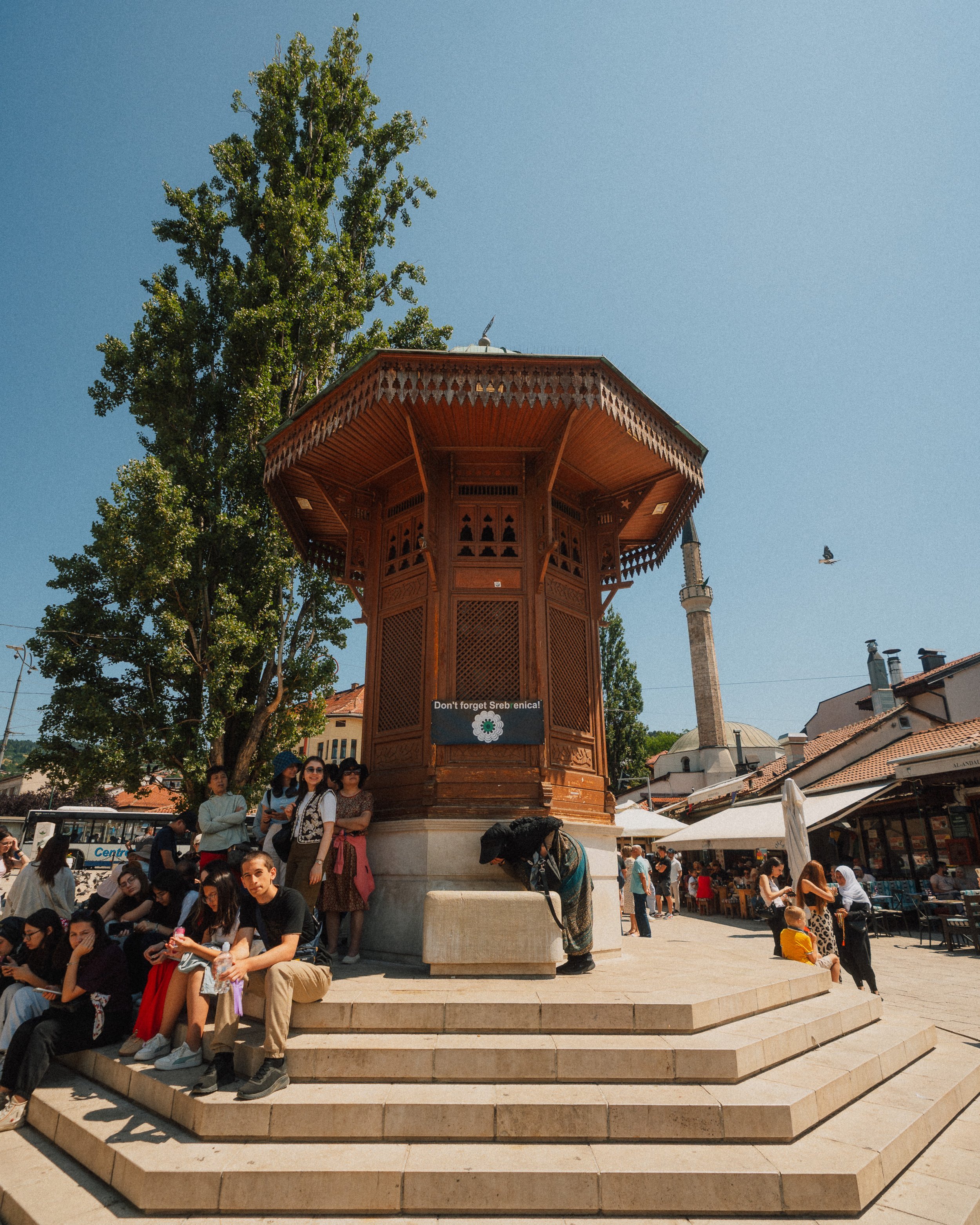
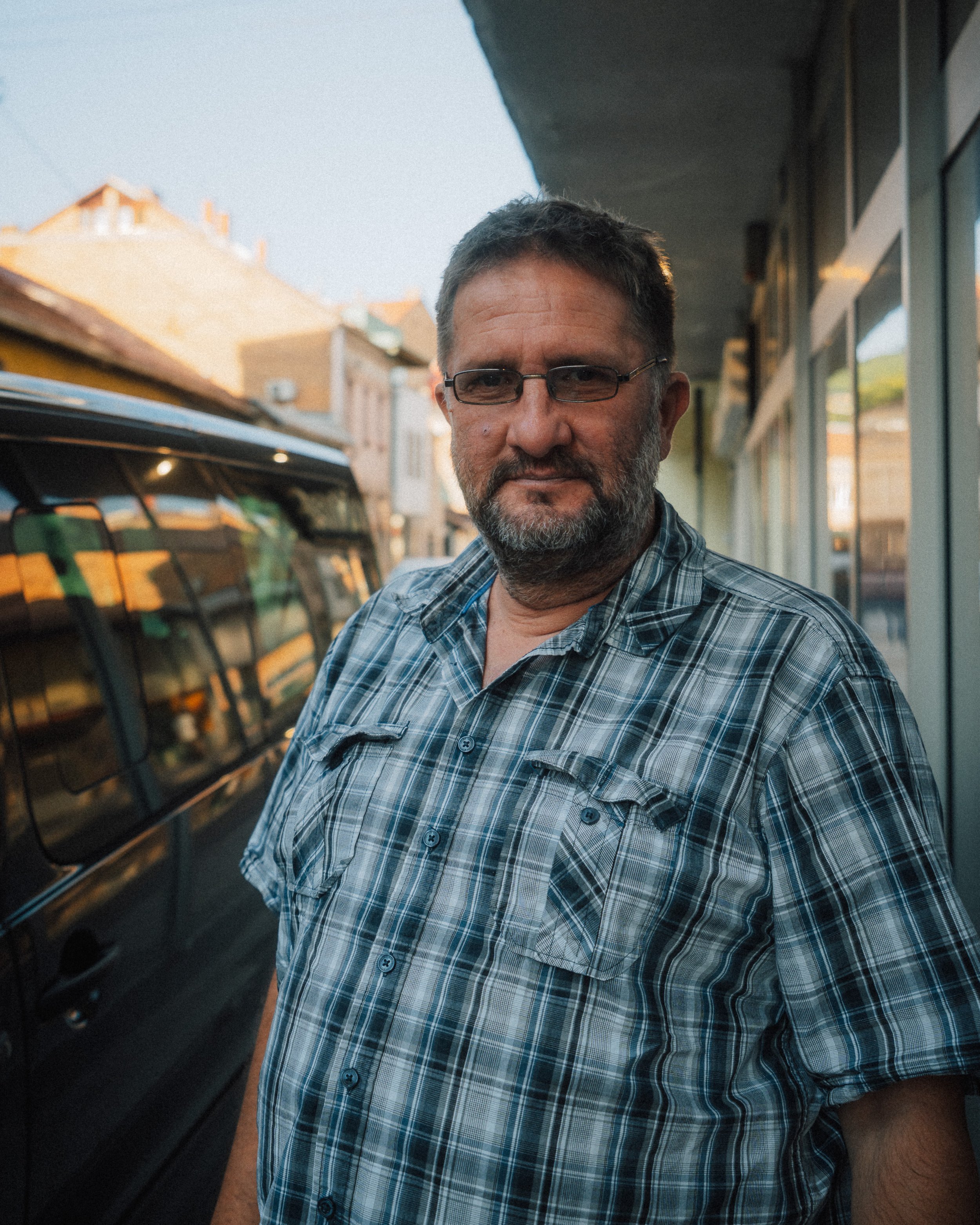
Nevertheless, the city is beautiful today, and I can recommend a visit to anyone interested in history. I will never forget the eyewitness reports from my guide Hasan and other people I spoke to. And we should never forget a conflict from which we could have learned so much.