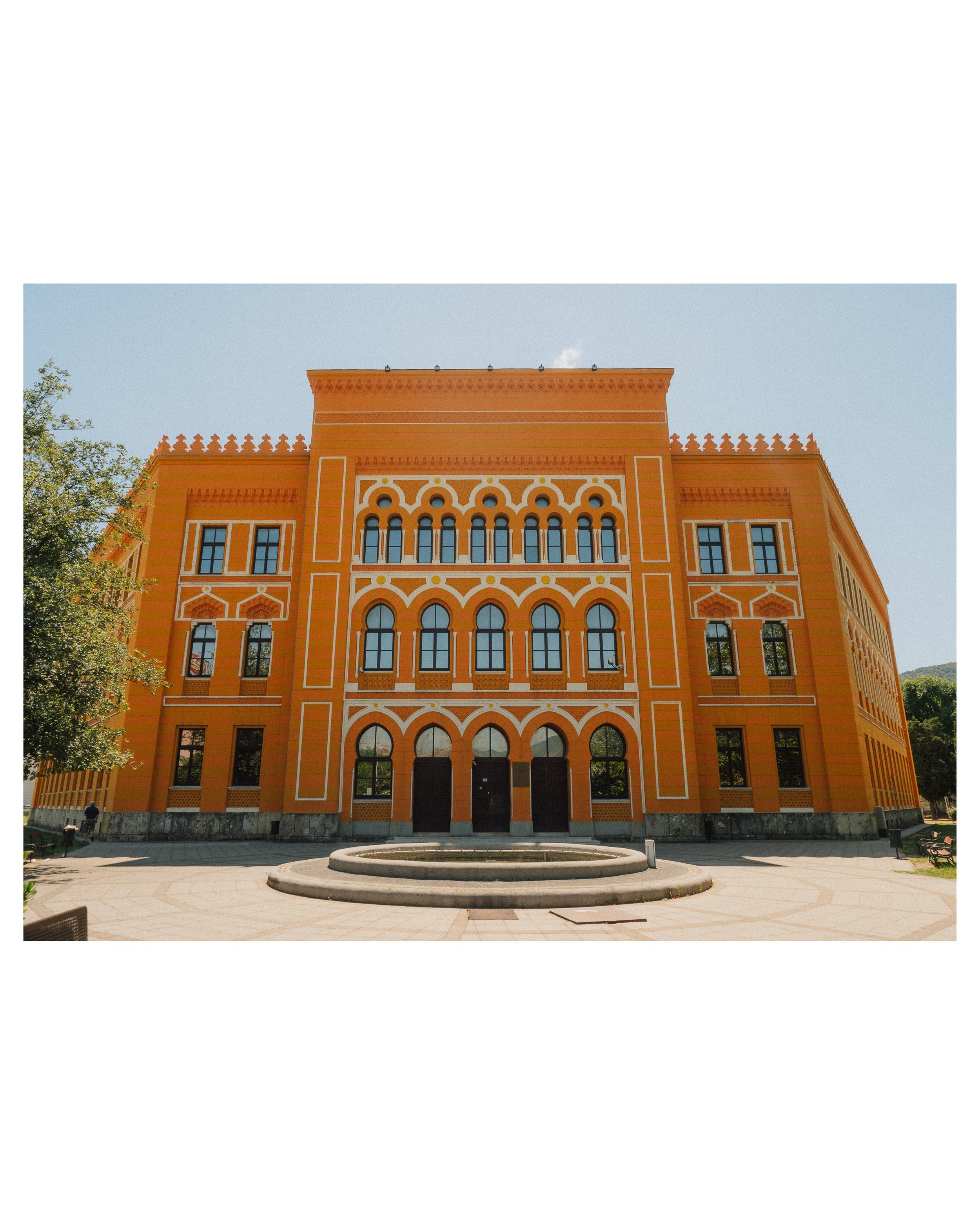
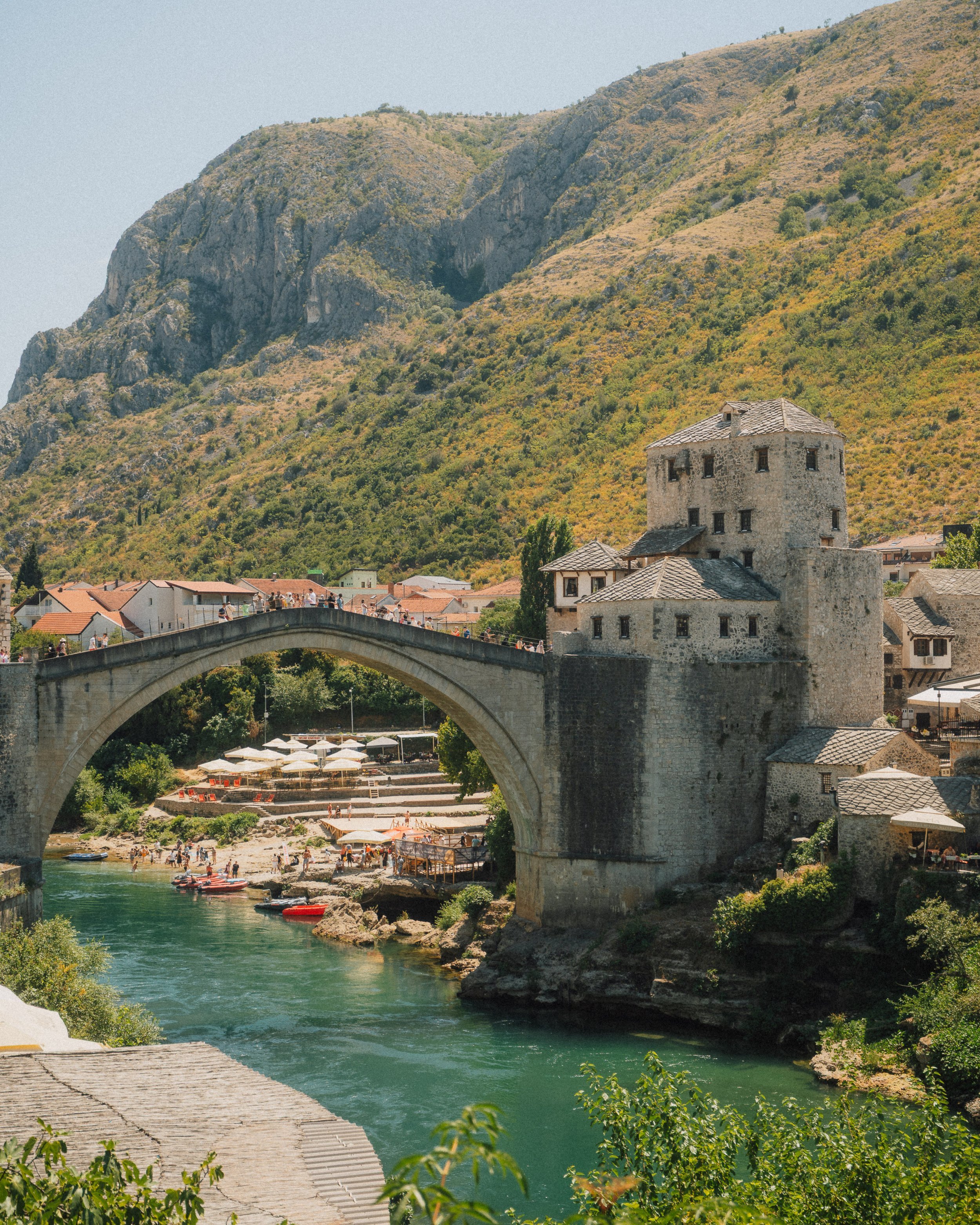
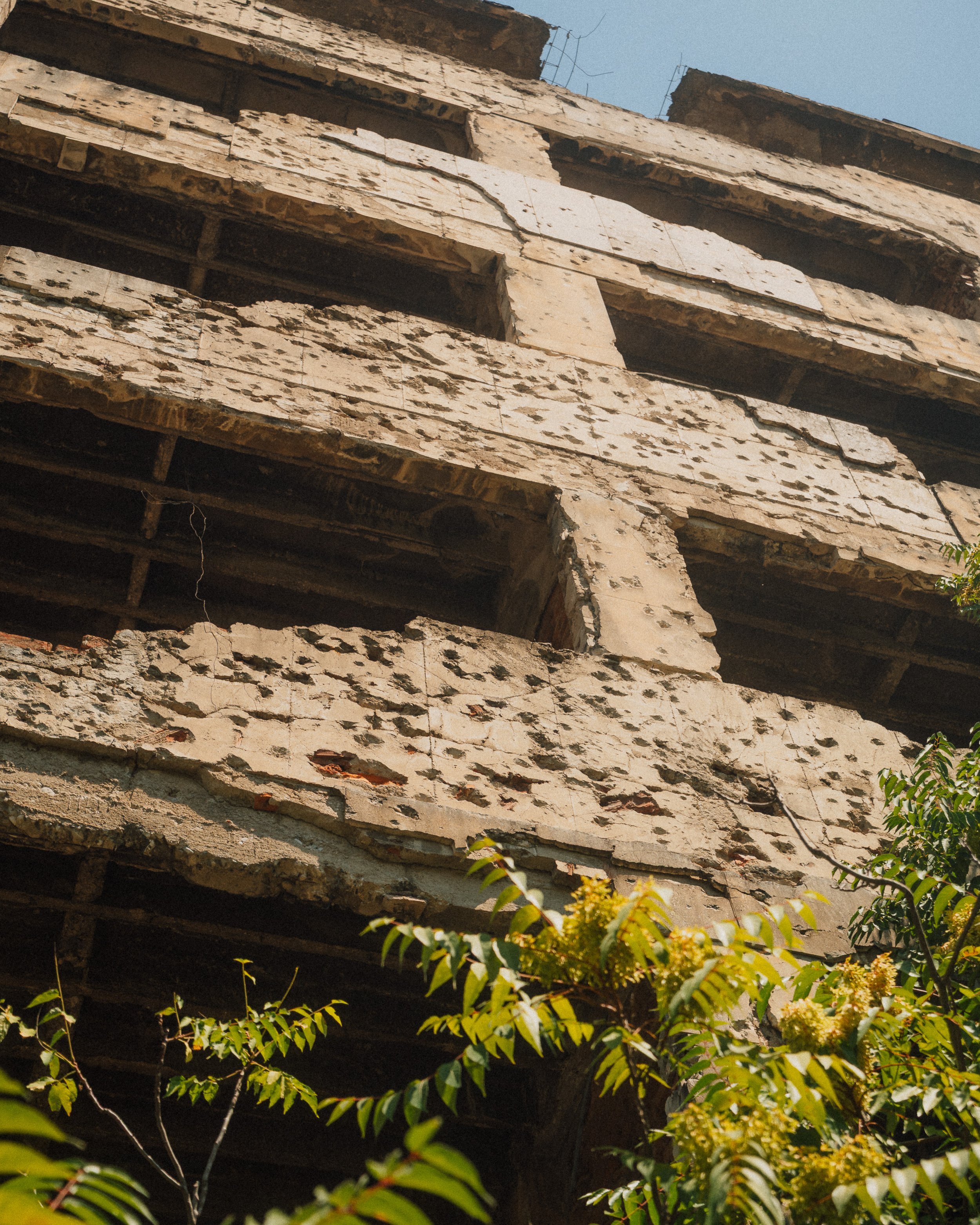
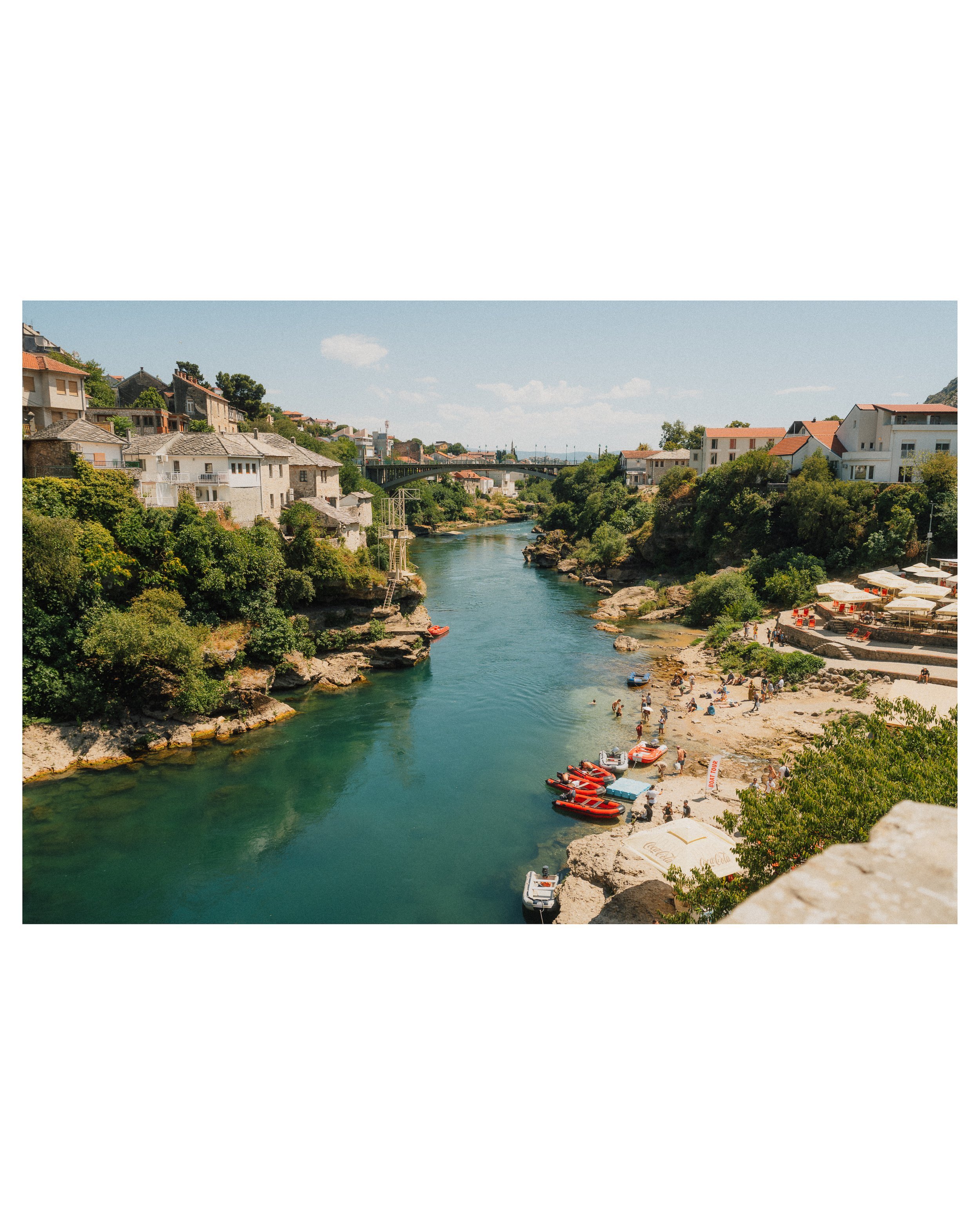
While I was in Lukomir, two cyclists suggested that I visit Mostar. The city is in southern Bosnia and is best known for its old town. When I arrived, I found it much more touristy than my other stops in Bosnia. But by then, I had already spent a long time reading about the war, beyond the accounts I had heard from local people. A sense of heaviness hung over my visit.
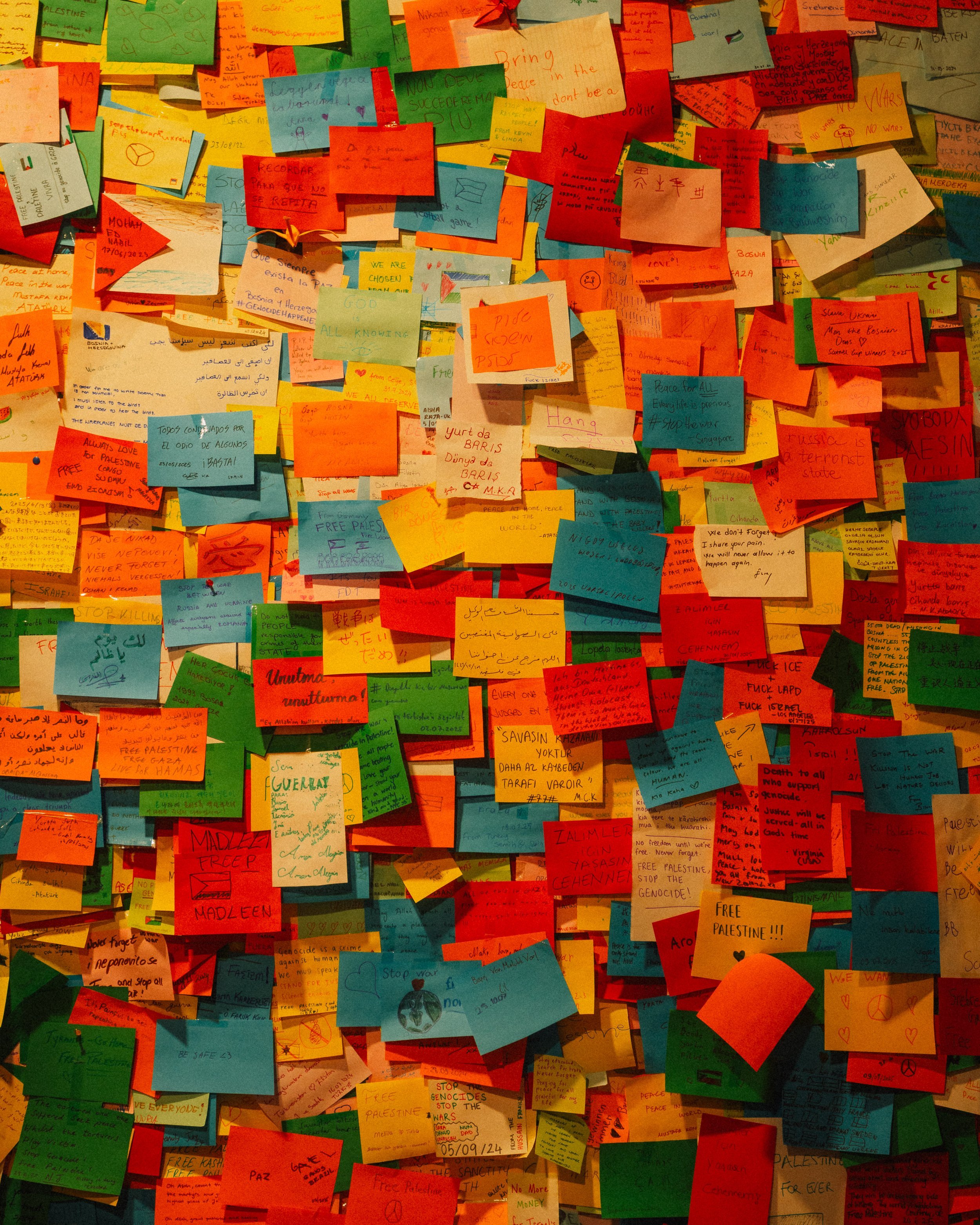
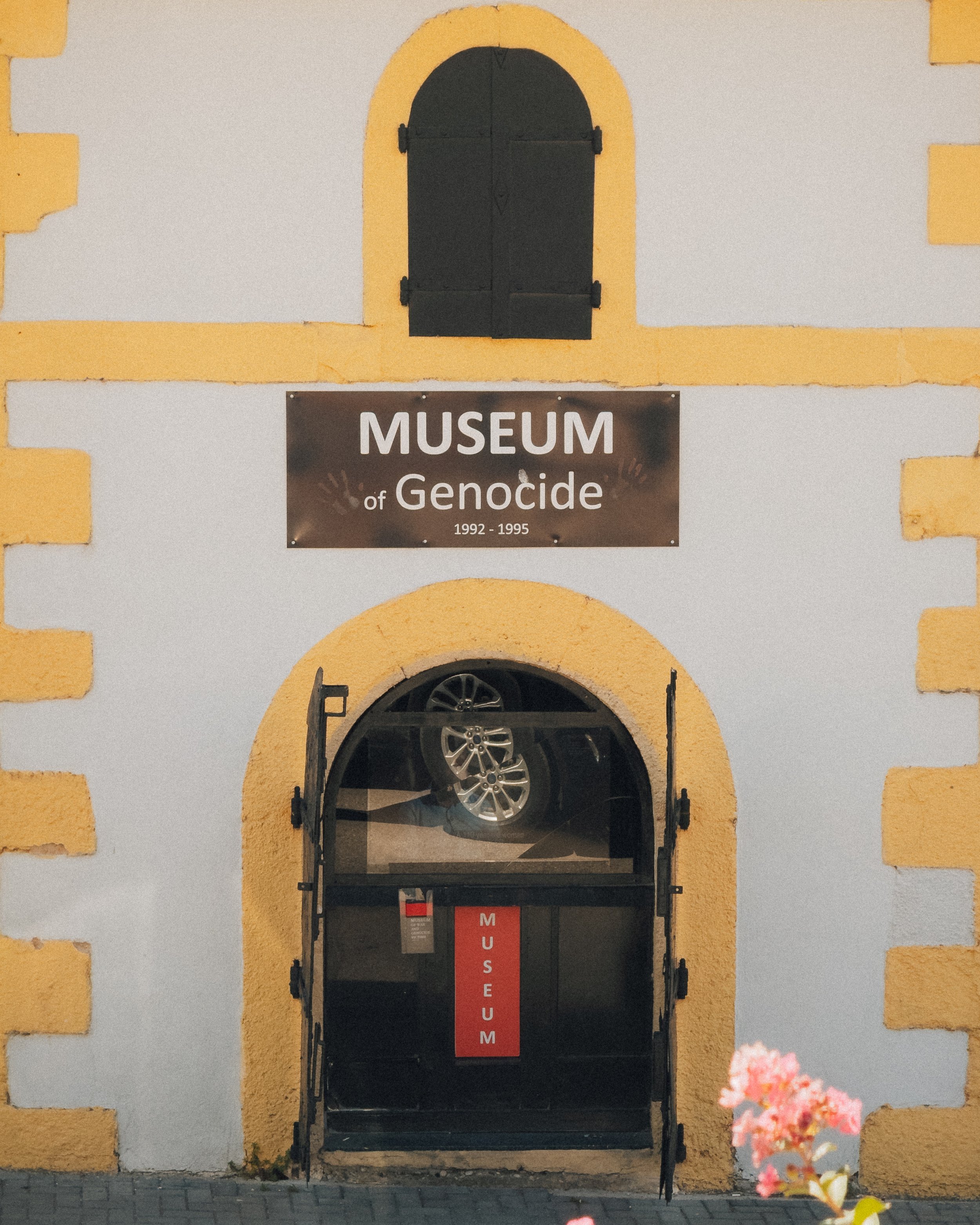
The crowds around Stari Most overwhelmed me, and I left fairly quickly. Already in a sombre mood, I decided to visit the genocide museum. Letters, instruments of torture, witness interviews and models of concentration camps presented the events of 1992–1995 in unflinching detail. It was a glimpse into the darkest depths of humanity.
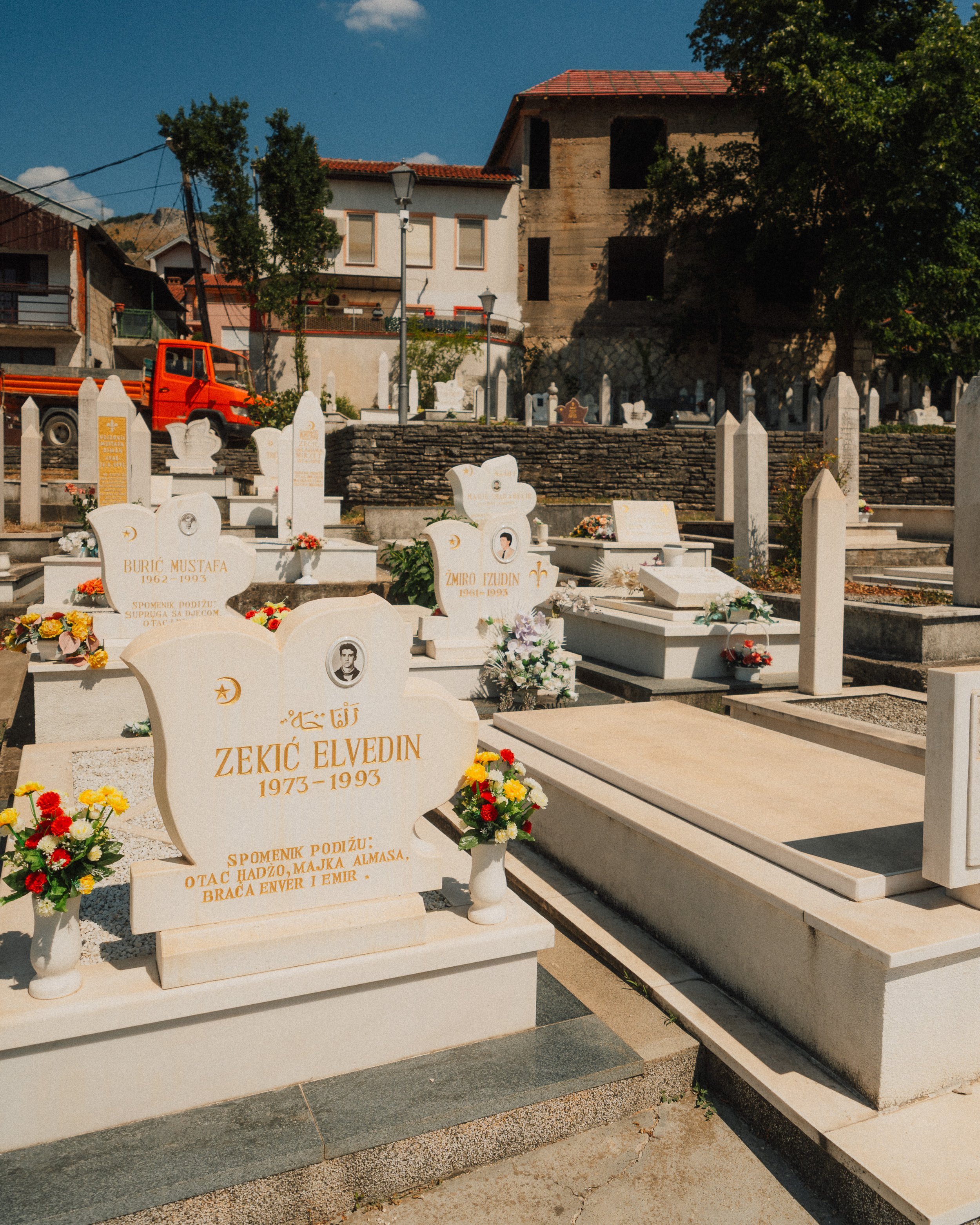
Leaving the museum, I turned into a quieter side street and suddenly found myself in a cemetery. There, the experiences of the previous days caught up with me. Every grave I looked at was dated 1993. Age seemed irrelevant, as did the distinction between fighters and civilians. Standing among those graves, the danger faced by Mostar’s Muslim population felt painfully real.
Until then, the past few days had felt like a dark history lesson. In the cemetery, it all became too real for me to enjoy anything else. I wanted to leave Bosnia that same night, but the pain of that visit stayed with me.
It is not easy for me to write about this, and I do not want to make myself the focus. What do I really know about what people suffered then? Yet visiting places like Mostar and Sarajevo makes those events feel more real than any documentary ever could. Ethnic hatred needs to be challenged where it begins, before it is too late, as it was in Mostar and so many other places around the world.